Barcelona Travel Guide 2026: Gaudí's City in Its Biggest Year
Barcelona is having its biggest year in a century. 2026 brings the centenary of Antoni Gaudí's death, the title of UNESCO World Capital of Architecture, and a rare solar eclipse over the city in August. This guide covers the history, the beauty, and the everyday Catalan life behind the postcards — plus practical tips for visiting in 2026.
Why 2026 Is Special
Three things make 2026 unmissable in Barcelona. First, it is the centenary of Gaudí's death — the architect died in 1926, and the city is marking 100 years with exhibitions and events. Second, Barcelona has been named UNESCO World Capital of Architecture for 2026, putting its design heritage on the global stage.
Third — the sky itself joins in: on 12 August 2026, a solar eclipse will be visible from Catalonia, the first from the region in 121 years, with roughly 99.7% coverage from Barcelona at sunset. No wonder Kayak ranks Barcelona as the #3 most-searched group destination of 2026. If you were waiting for a reason to go, this is three.
A Short History of Barcelona
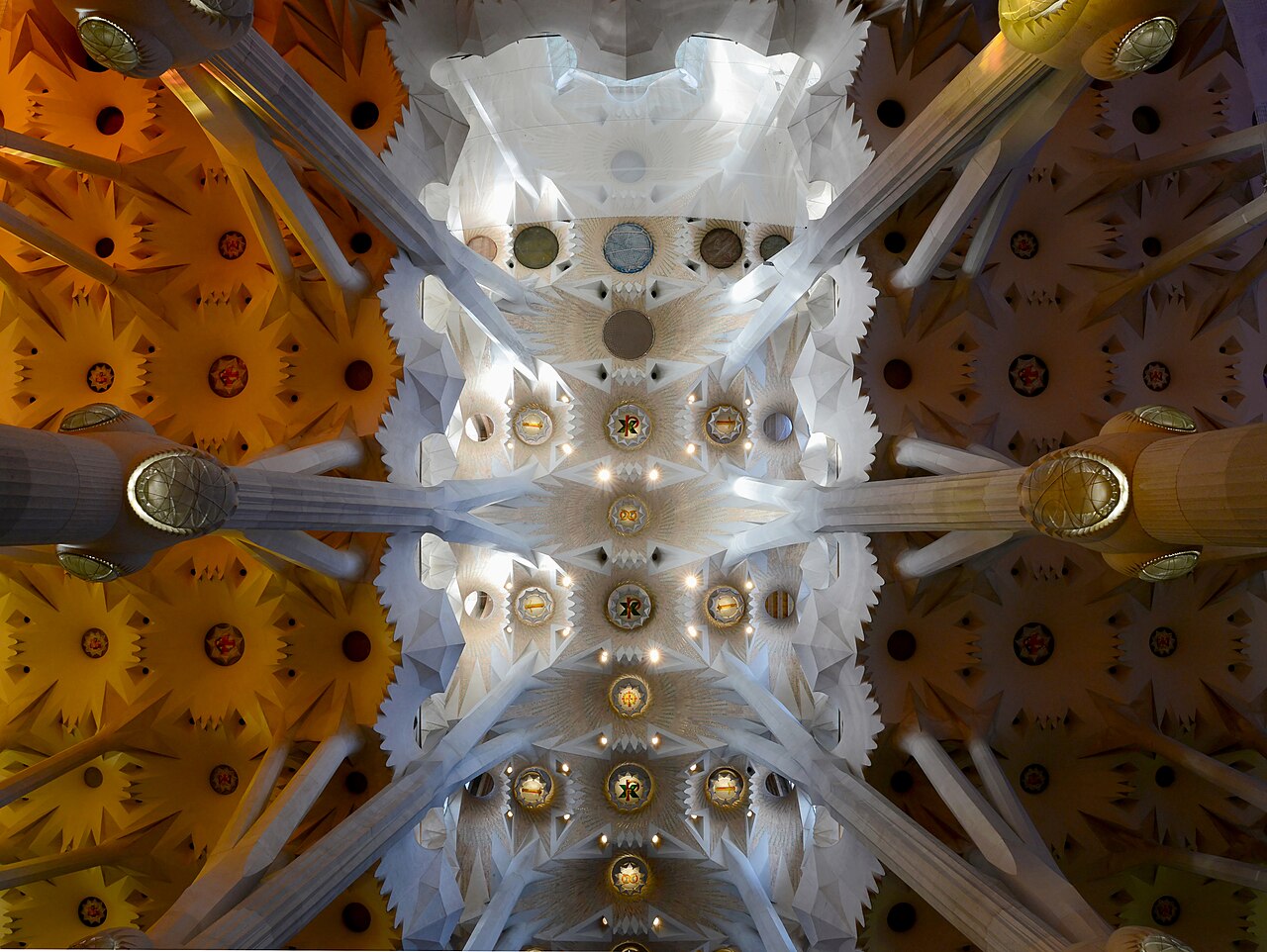
Barcelona is about 2,000 years old. The Romans founded Barcino under Augustus, and sections of their walls still stand in the Gothic Quarter. The city we recognise took shape in the late 1800s: the first stone of the Sagrada Família was laid on 19 March 1882, and Gaudí took over the project in 1883, pouring his genius into it until his death — work still continues toward the centenary.
The 1888 Universal Exposition gave the city the Arc de Triomf and Ciutadella Park, while the 1992 Olympics transformed a derelict waterfront into the beach district visitors enjoy today. Beneath it all runs Catalan identity: the fall of Barcelona in 1714 is the founding wound of Catalan nationhood, and Catalan language, the Sardana dance and the La Mercè festival keep that culture alive and visible every day.
What Makes It Beautiful
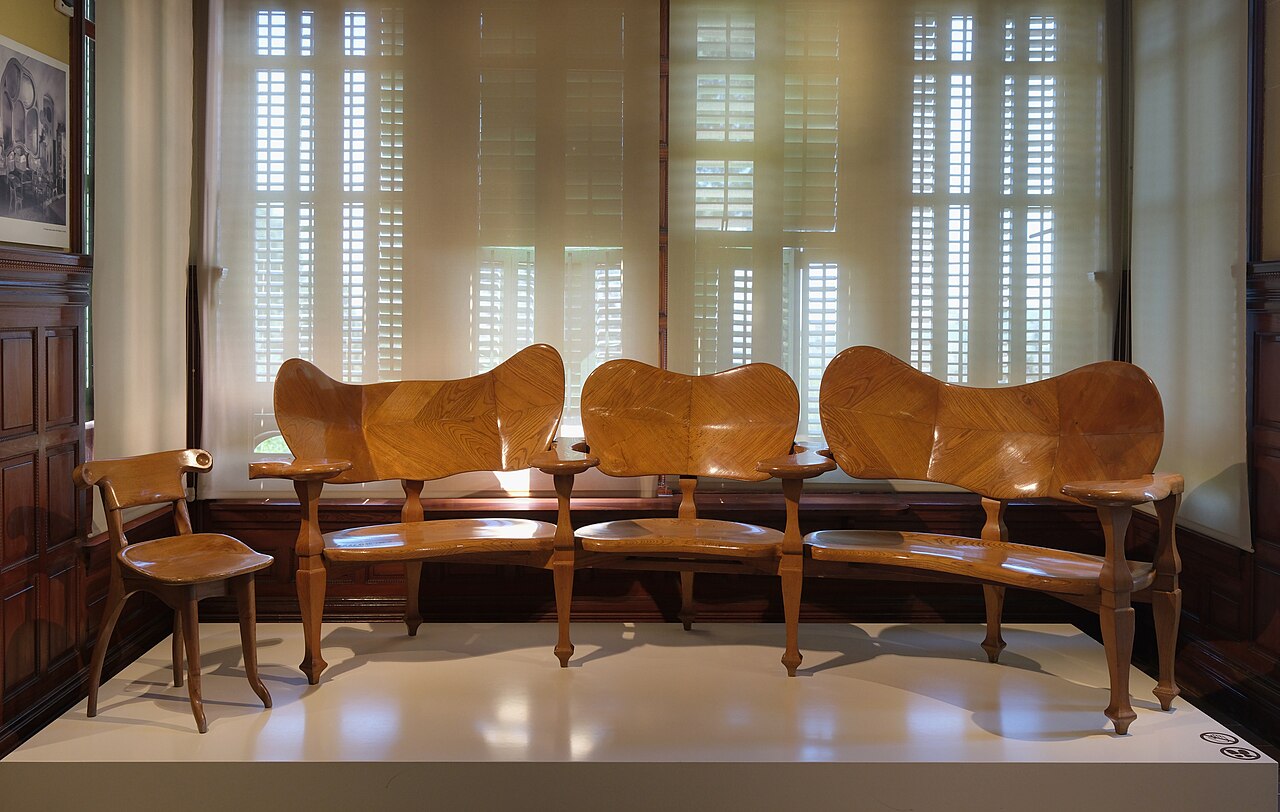
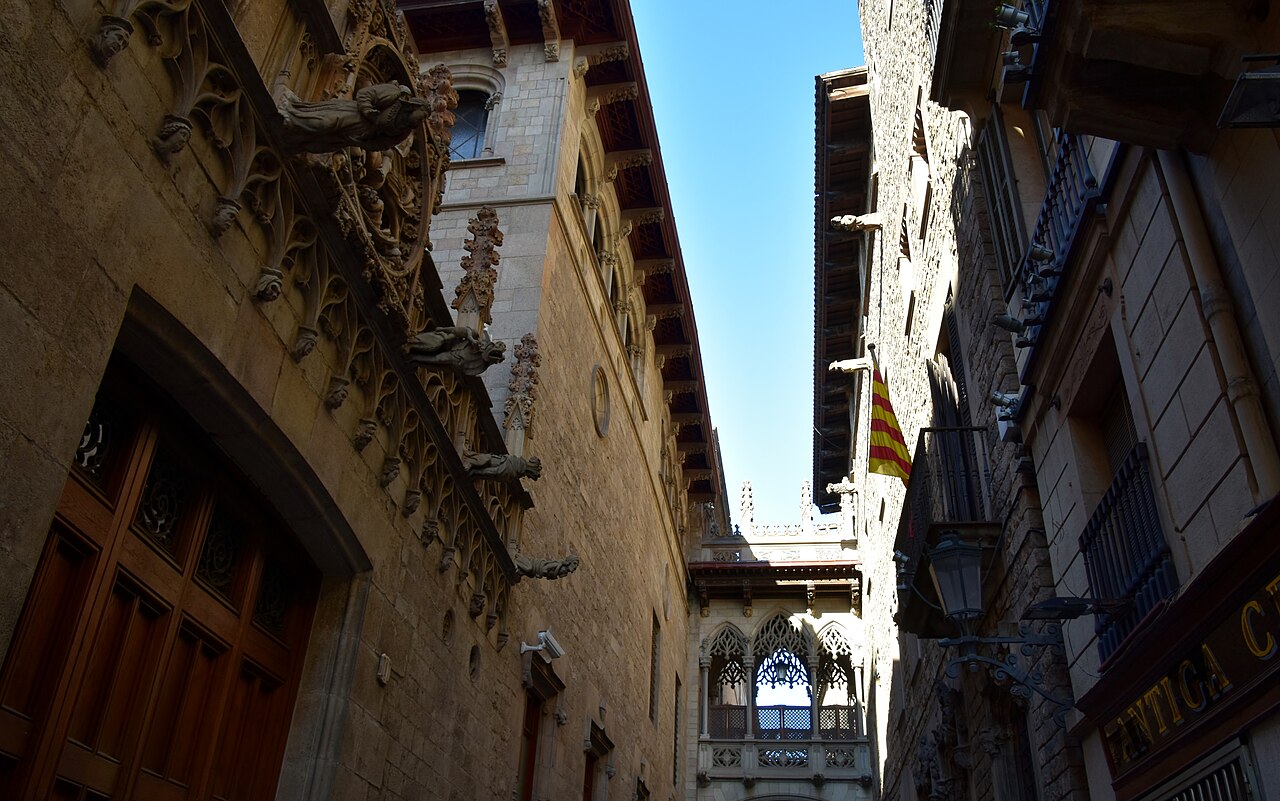
Barcelona's beauty is inseparable from Gaudí's Modernisme: the rising spires of the Sagrada Família, the dragon-back mosaics of Park Güell, the wavy facades of Casa Batlló and Casa Milà on Passeig de Gràcia. But there is more than Gaudí — the medieval lanes of the Gothic Quarter hide Roman walls and quiet squares, while Montjuïc and Tibidabo offer grand viewpoints over the city and sea.
And then there is the Mediterranean: long beaches sit minutes from the city centre, so a morning of architecture and an evening swim are part of the same day. Few European cities blend high culture and beach life this naturally.
A Day in Local Life
To understand Barcelona, live the weekend rhythm. Start with vermut hour: on weekends locals "fer el vermut" — sip vermouth with olives and tapas in neighbourhood bars, especially in Gràcia and Sant Antoni. Lunch is the main meal: a long, late menú del día (a set menu, often around €12–18) eaten without hurry.
Expect a siesta lull roughly from 2–5pm and quiet Sundays when many shops close. Evenings belong to the paseo — the stroll — and the beach; dinner rarely starts before 8:30pm. A little Catalan goes far: greet people with "bon dia", thank them with "gràcies", and keep noise down in residential quarters — tourism pressure is a real local concern.
Visitor Tips: When to Go & What to Book
- Best time to visit: May–June and September–October — warm enough for the beach, calmer than August. La Mercè, the city's biggest festival, is on 24 September.
- Book ahead: reserve Sagrada Família and Park Güell tickets online well in advance — they regularly sell out in 2026.
- Eclipse planning (12 Aug): the eclipse runs roughly 19:35–20:29 local time from Barcelona. Bring ISO-certified glasses, arrive 2 hours early for a good viewpoint — note that true totality falls on cities like Zaragoza and Valencia, not Barcelona.
- Get around: the metro T-Casual pass (10 rides) is the best-value ticket for visitors.
- Save money: eat the menú del día at lunch and use the free beaches — Barcelona need not break the bank.
- Safety: keep a crossbody bag zipped — pickpockets work La Rambla and the metro. Respect churches: cover shoulders and knees, and no swimwear away from the beach.
Between Gaudí's centenary, the architecture capital title and an August eclipse, 2026 may be the best year in living memory to see Barcelona. Book early, eat late, and let the city show you its Catalan rhythm.